Knitting guide
Types of yarn: fibers, construction and how to read a label
Updated by Khokhar Sab
Yarn types are grouped by fiber. Animal fibers include wool, merino, alpaca, mohair, cashmere and silk. Plant fibers include cotton, linen and bamboo viscose. Synthetic fibers include acrylic, nylon and polyester, and blends mix them. Wool is warm and springy, cotton is absorbent with little stretch, and acrylic is cheap and machine washable. Yarn is also sorted by construction (plied, single, chenille, boucle) and by weight.
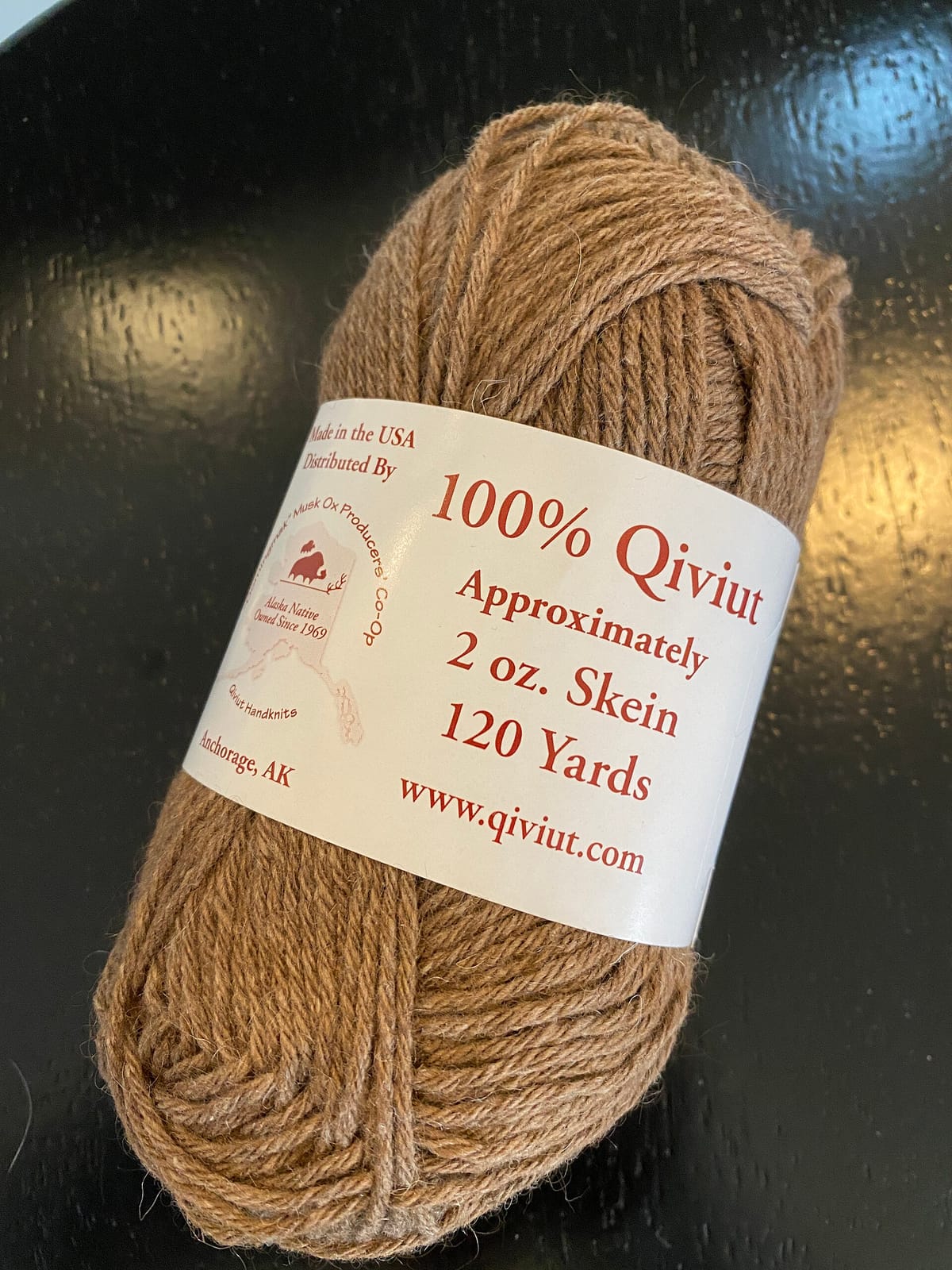
Types of yarn at a glance
Wikipedia's yarn article splits fibers into natural ones from animals and plants, and synthetic ones that are "generally extruded in continuous strands." Blends mix the two. This table sums up what Wikipedia, Sarah Maker, Handy Little Me, Lion Brand, Woolmark and the FTC say about each fiber.
| Fiber | Comes from | Strengths | Watch out for |
|---|---|---|---|
| Wool | Sheep | Warm, springs back into shape, absorbs almost a third of its weight in water | Felts with agitation unless superwash; coarse fibers can itch |
| Merino | Merino sheep | Fine, soft fiber; often sold superwash | Untreated merino felts like other wool |
| Alpaca | Alpacas | Warmer than wool, not prickly, no lanolin | Can stretch out over time |
| Mohair | Angora goats | Shiny, fuzzy halo, takes dye well | Can itch in a whole garment |
| Cashmere | Cashmere and pashmina goats | Very light, warm and fine | Very expensive; about 150 g per goat a year |
| Silk | Silkworms | Sheen, drape, high strength | Loses up to 20% of its strength when wet; stays stretched once pulled |
| Cotton | Cotton plant | Soft, absorbent, strong | Little elasticity |
| Linen | Flax plant | Up to 3 times stronger than cotton, cool, softens with washing | Poor elasticity, wrinkles easily |
| Bamboo viscose | Bamboo pulp, chemically processed | Smooth, with drape and luster | Less elastic than wool or acrylic |
| Acrylic | Synthetic polymer | Cheap, machine wash and dry, colorfast, light and warm | Can pill; less breathable than natural fibers |
| Nylon | Synthetic polymer | Strong and light | Usually blended with other fibers |
| Polyester | Synthetic polymer | Absorbs little water, shrinks little | Melts when it catches fire |
Animal fiber yarns
Wool and merino
Wikipedia calls wool the most common spun animal fiber. Its crimp gives it elasticity, and Woolmark describes each merino fiber as a natural spring that stretches and returns to shape. Wool can absorb almost one third of its own weight in water. Sarah Maker notes it stays warm and doesn't feel wet, which suits cold-weather garments.
Softness depends on fiber diameter. Merino ranges from under 15.5 microns to over 23 microns, per Wikipedia, while fibers of about 30 microns and thicker can irritate skin.
Care depends on treatment, and the sources differ. Woolmark says most merino garments can be machine washed and tumble dried. The Patons Classic Wool Worsted label says hand wash and lay flat. Superwash wool, sold since the early 1970s, has its scales removed or coated so it survives the machine without felting.
Alpaca
Wikipedia describes alpaca as warmer than sheep's wool and not prickly. It has no lanolin, which Wikipedia says makes it hypoallergenic. Alpacas come in 22 natural colors. Handy Little Me warns that alpaca can grow over time and suggests it for pieces with seams rather than pieces knit in one piece.
Mohair
Mohair comes from the Angora goat; angora yarn comes from rabbits. It has a high sheen and takes dye well, per Wikipedia. Sarah Maker describes its fluffy halo and notes it is often spun around a silk core. Handy Little Me cautions that a whole mohair garment can feel itchy.
Cashmere
Cashmere comes from cashmere goats, pashmina goats and some other goat breeds. Under US labeling law, its fibers must average 19 microns or less. Each goat gives about 150 grams a year, per Wikipedia. Handy Little Me calls cashmere very light and warm, and very expensive.
Silk
Silk is a protein fiber from silkworms. Its flat fiber surfaces reflect light, which gives it a natural sheen. It ranks among the strongest natural fibers but loses up to 20% of its strength when wet. Once stretched, it stays stretched, per Wikipedia. Sarah Maker suggests silk for shawls and scarves, and Handy Little Me praises its stitch definition.
Plant fiber yarns
Cotton
Wikipedia calls cotton the most common plant fiber. Sarah Maker describes cotton yarn as soft, absorbent and durable, and suggests it for kitchen items, home decor and summer garments. Handy Little Me notes it has little elasticity but is very strong. The Lily Sugar'n Cream label allows machine washing in cool water and tumble drying on low.
Linen
Linen is spun from flax. Wikipedia says it can be up to three times stronger than cotton, feels cool to the touch and gets softer with each wash. Its poor elasticity means it wrinkles easily. Handy Little Me suggests linen for lace and advises against it for cables.
Bamboo and viscose
Bamboo yarn may be viscose. Wikipedia says rayon, also called viscose, is made mainly from wood pulp and sometimes from bamboo pulp. The FTC describes rayon as plant cellulose processed with a harsh chemical, and it has charged sellers who labeled rayon as bamboo. Its settlements allow the label "rayon made from bamboo."
Sources disagree on one claim. Sarah Maker lists natural antibacterial properties for bamboo yarn, while the FTC says the rayon process removes any natural antimicrobial properties of the plant. Sarah Maker and Handy Little Me agree on the feel: smooth, with drape and luster. Handy Little Me adds that it has less elasticity than wool or acrylic.
Synthetic fiber yarns
Acrylic
Acrylic is made from polyacrylonitrile. In the US, a fiber must contain at least 85% acrylonitrile to be sold as acrylic. Wikipedia describes it as lightweight, soft and warm, with a wool-like feel. Lion Brand says acrylic yarn can be machine washed and dried without the colors running or fading.
Handy Little Me puts the price as low as $2 for a 100 g ball. The drawbacks: some acrylic pills, it is less insulating than wool when wet, and Sarah Maker notes it breathes less than natural fibers. Wikipedia cites research that acrylic sheds about 730,000 tiny synthetic particles per wash.
Nylon and polyester
Sarah Maker calls nylon a strong, lightweight fiber that is usually blended with wool for sock yarn. Polyester absorbs little water and shrinks little, per Wikipedia, and it melts when ignited.
Blended yarns
A blend takes on the properties of each fiber in proportion to how much of it the yarn contains, Wikipedia says. Sarah Maker gives three common pairings:
- Wool and nylon. Superwash merino with up to 25% nylon makes machine-washable sock yarn. The sock calculator works out the stitch counts once you have chosen one.
- Mohair and silk. Fluffy mohair spun around a strong silk core.
- Acrylic and wool. A warm, soft yarn that is still easy to care for.
Acrylic vs cotton yarn
Both fibers are machine washable on their labels, but they behave differently in use.
| Feature | Acrylic | Cotton |
|---|---|---|
| Warmth | Warm and wool-like, but less insulating when wet | Absorbent, suggested for summer garments |
| Stretch | Resilient, per Wikipedia | Little elasticity |
| Label care | Red Heart Super Saver: machine wash warm, tumble dry low, no bleach or iron | Lily Sugar'n Cream: machine wash cool, tumble dry low, do not iron |
| Good for | Blankets, baby clothes, homewares | Dishcloths, kitchen items, home decor |
Blocking advice also splits. Wikipedia says acrylic needs heat to set its shape, and Handy Little Me says cotton can be steam pressed. The Lily Sugar'n Cream label says do not iron or press, so follow the label for that yarn. The blocking guide covers each method by fiber.
Same weight, different fiber: cotton and wool worsted compared
Fiber changes how much yarn is in a ball, even at the same weight and gauge. Here are two real worsted labels from Yarnspirations product pages. Both are weight 4 (medium), and both list the same knit gauge: 20 stitches and 26 rows to 4 inches on 4.5 mm needles.
| Yarn | Fiber | Ball | Yards per 100 g | Care |
|---|---|---|---|---|
| Patons Classic Wool Worsted | 100% wool | 194 yd in 100 g | 194.0 | Hand wash, lay flat to dry |
| Lily Sugar'n Cream The Original | 100% cotton | 120 yd in 71 g | 169.0 | Machine wash cool, tumble dry low |
The Craft Yarn Council range for a weight 4 is 16 to 20 stitches per 4 inches on 4.5 to 5.5 mm needles, so both labels sit at its finer end. Even so, the cotton gives 12.9% fewer yards per 100 grams. The same 970 yards weighs about 500 g in the wool and 574 g in the cotton, 14.8% heavier.
The yarn substitution calculator flags both swaps:
- Wool pattern in cotton. 5 balls of the wool is 970 yards. That takes 9 balls of the cotton, 639 g, with 110 yards left over. The difference is -12.9%, past the calculator's 10% warning line.
- Cotton pattern in wool. 8 balls of the cotton is 960 yards, which takes 5 balls of the wool. The difference is +14.8%, so it warns again.
Here the warning reflects fiber as well as thickness, since the labels claim the same gauge. Buy by yards, not grams, and swatch before committing. The guide to substituting yarn walks through the full process, and the grams to yards converter handles a single label.
Yarn construction: plied, single, chenille and boucle
Yarns also differ in how their strands are put together.
- Single. One strand of fibers held together by twist, per SewGuide.
- Plied. Two or more singles twisted together in the opposite direction to make a thicker yarn, per Wikipedia. The twist runs either S (up to the left) or Z (up to the right).
- Cabled. Plied yarns twisted together again, per SewGuide.
- Chenille. A soft pile sticks out from the core. Sarah Maker describes it as velvety and suggests it for blankets and plush toys.
- Boucle. Small loops give it a bumpy surface.
- Slub. Thick and thin sections alternate along the strand, per Wikipedia.
- Other novelty yarns. Sarah Maker lists eyelash, ribbon or tape, faux fur and metallic yarns.
Handy Little Me notes that ply numbers, such as 8 ply, also name yarn weights in Australia, New Zealand and the UK. On those labels, ply may not mean the strand count.
Types of yarn by weight
Weight measures thickness, separately from fiber. The Craft Yarn Council numbers it 0 to 7: 0 lace, 1 super fine, 2 fine, 3 light, 4 medium, 5 bulky, 6 super bulky, 7 jumbo. The yarn weights guide explains each group, and the yarn weight chart adds needle and hook sizes.
How to read a yarn label
The Patons Classic Wool Worsted label shows the main parts:
- Weight symbol: #4 Medium, also called worsted.
- Fiber content: 100% wool.
- Ball size: 100 g (3.5 oz) and 177 m (194 yd). Compare yarns by length, since grams alone hide the fiber difference shown above.
- Gauge: 20 stitches and 26 rows to 4 inches on 4.5 mm (US 7) needles, or 14 single crochet and 17 rows with a 5 mm hook. The gauge guide shows how to check yours.
- Care: hand wash, do not bleach, do not dry clean, do not iron, lay flat to dry.
- Color and dye lot: Red Heart says its Super Saver solids have no dye lot, so every skein of one color matches.
Care often appears as symbols. The Craft Yarn Council explains them: a tub of water for washing, a triangle for bleach, a square for drying, an iron for pressing and a circle for dry cleaning. A big X through any symbol means do not. North American labels show temperatures in both Celsius and Fahrenheit.
Questions about yarn types
Which type of yarn is warmest?
Wikipedia rates alpaca warmer than sheep's wool, and Handy Little Me credits its hollow fibers. Cashmere is described as very light and warm. Among synthetics, acrylic is warm when dry but loses insulation when wet.
What is the softest yarn?
Wikipedia links itchiness to thick fibers. Cashmere averages 19 microns or less, and the finest merino is under 15.5 microns. SewGuide names vicuna, from a South American camelid, as the softest fiber of all.
What yarn should a beginner use?
Handy Little Me recommends a natural wool or wool blend to start, and suggests avoiding fingering and thread weights.
Is bamboo yarn eco-friendly?
The FTC says rayon products, including rayon made from bamboo, are not biodegradable because they don't break down in a reasonably short time after disposal. Linen, by contrast, can break down in soil within a few weeks, per Wikipedia.
Sources and further reading
Wikipedia's yarn article covers fibers, plying, twist and novelty yarns, and its wool, alpaca, mohair, cashmere, silk, linen and acrylic articles supply the figures above. Woolmark explains wool fiber properties. The FTC press release on bamboo textile claims sets out the rayon labeling rule. The Craft Yarn Council lists the care symbols used on yarn labels. Label figures come from the Yarnspirations product pages for Patons Classic Wool Worsted, Lily Sugar'n Cream and Red Heart Super Saver. Fiber advice also comes from Sarah Maker, Handy Little Me, SewGuide and Lion Brand.
Video tutorial
"Different types of yarn fibers, when to use them, and how to tell them apart." by Crochet with illJay, on YouTube. The video loads only when you press play.